If you've priced a repair lately and winced, you're not imagining it. A DIY car repair is more worth your time in 2026 than it has been in years, because the labor half of the bill keeps climbing, and buying your own parts online cuts out the shop's markup on top. This guide is honest about both sides: where doing it yourself is smart and safe, and where paying a professional is the right call.
- A DIY car repair saves you the shop's labor bill, which at many shops now runs $120 to $159 an hour (and more in high-cost states), plus the markup shops add to the parts.
- Genuinely DIY-friendly jobs for a confident owner: brake pads, bolt-on exhaust parts, air and cabin filters, wiper blades, battery, and light bulbs.
- Leave it to a shop when the job needs diagnostics, ADAS camera/radar calibration, airbag or suspension spring work, A/C refrigerant, or anything you can't safely test afterward.
01 · The mechanic shortage is pushing labor rates up
Labor is the part of the bill you can most directly avoid by doing the work yourself, and shop work is where prices are climbing fastest. Almost half of U.S. repair shops price labor at $120 to $159 per hour (PartsTech shop survey, as reported by AAA), and the full range runs from under $100 to over $200 depending on your state, the shop type, and the job. Shop-software data from Tekmetric (June 2026) puts the national average near $132 an hour, with Alaska, California, Nevada, Washington, and Colorado among the most expensive states. Government price data points the same way: in the year to September 2026, the price of vehicle maintenance and repair rose 5.8%, while the price of parts and equipment drivers buy for themselves rose 0.8% (U.S. Bureau of Labor Statistics, Consumer Price Index).
A big reason: there simply aren't enough technicians. The mechanic shortage is real and well-documented. The TechForce Foundation's 2026 supply and demand report projects about 70,900 automotive technician openings a year through 2029, against roughly 50,100 new techs entering the field, leaving about a 29% gap in the auto sector alone. Across all ten technician sectors it tracks, the training pipeline fills only about 42% of demand. When skilled techs are scarce, shops have to pay more to attract and keep them, and that cost shows up in the hourly rate you're quoted.
Shop repair prices are rising much faster than parts prices. Any job where you can supply your own part and turn the wrenches yourself avoids the fastest-growing cost on the bill, and the parts markup layered on top of it.
02 · Is it cheaper to fix your own car? Usually, and here's the math
Two savings stack up when you DIY. First, you skip the labor. A brake job that a shop bills as an hour or two of labor can become an afternoon in your driveway. Second, you skip the parts markup: shops typically buy a part and resell it to you at a marked-up price, so buying the same-quality part yourself online often costs meaningfully less than what the shop would charge for it.
The honest caveat: your time isn't free, and neither are tools you don't own yet. A first brake job might mean buying a floor jack, jack stands, and a caliper tool. But those are one-time purchases that pay for themselves across future jobs, and they let you keep saving every time. The break-even math tips in favor of DIY fastest on high-labor, low-diagnostic jobs, exactly the ones below.
03 · Which jobs are DIY-friendly, and which need a shop
The dividing line isn't really "hard vs easy." It's whether the job is a straightforward mechanical swap you can verify afterward, or one that needs specialized diagnosis, calibration, or safety equipment. Here's how common jobs sort out for a confident owner with basic tools:
| Job | DIY? | Why |
|---|---|---|
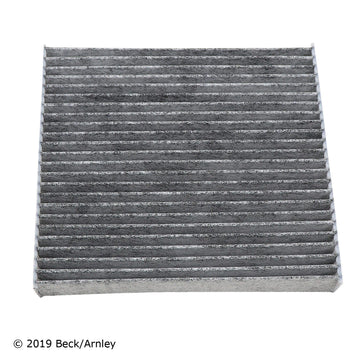
| Engine air & cabin filters | Yes | Often no tools; minutes of work. Shops charge real labor for a clip-in part. |
| Wiper blades, bulbs, battery | Yes | Basic bolt-on swaps. Just note battery-reset steps on some newer cars. |
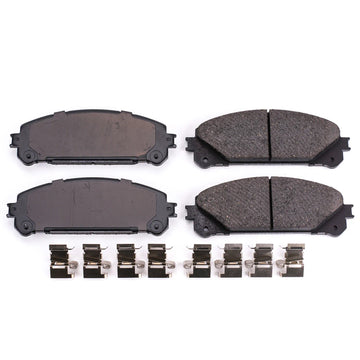
| Brake pads (and often rotors) | Yes | A classic first real job: mechanical, well documented, and easy to inspect when done. |
| Bolt-on exhaust parts | Often | Clamp-on mufflers, tips, and cat-back sections are DIY-friendly if bolts aren't rusted solid. |
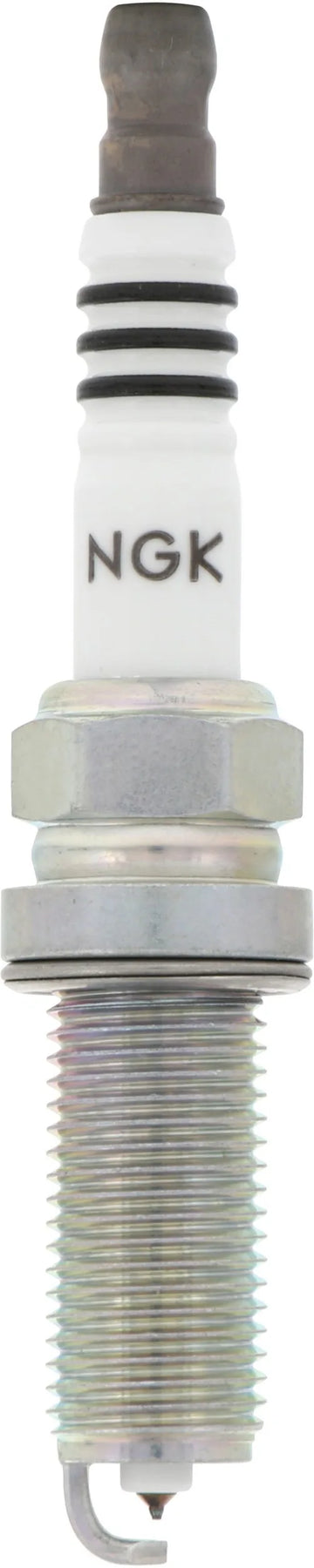
| Spark plugs, serpentine belt | Often | Doable on many engines; check access on yours first, since some are buried. |
| Check-engine / drivability diagnosis | Shop | Pinpointing a root cause needs scan tools and experience. A code is a clue, not a diagnosis. |
| ADAS calibration (cameras/radar) | Shop | Windshield, mirror, and bumper sensors need precise recalibration with dedicated targets. |
| Suspension springs / airbags / A/C | Shop | Compressed springs, pyrotechnic airbags, and refrigerant are genuine safety/legal hazards. |
| Timing belt, internal engine/trans | Shop | High stakes if wrong; specialized tools and know-how. Mistakes are expensive. |
A useful gut check: if you can't safely test the result yourself, let a pro do it. You can confirm a brake job by feeling the pedal and doing a slow stop in an empty lot. You can't confirm that a lane-keep camera is aimed correctly without calibration equipment, which is exactly why that one belongs in a shop.

04 · Brake pads: the DIY job that saves the most
Brake pads are where most people should start, because they hit the sweet spot: high shop labor, a part you can buy yourself, and a result you can verify. The steps are approachable with a jack, stands, and hand tools:
Loosen, lift, and secure
Break the wheel lugs loose, then jack the car and set it on jack stands. Never work under a car held up by a jack alone.
Remove the wheel and caliper
Take the wheel off, unbolt the caliper, and hang it with wire so nothing pulls on the brake hose.
Swap the pads (and hardware)
Slide out the old pads, compress the piston, fit the new pads with fresh hardware, and reinstall the caliper to spec.
Reassemble and bed in
Remount the wheel, torque the lugs, pump the pedal until firm before moving, then bed the pads in with a series of moderate stops.
Know your limits: if the caliper is seized, a bleed is needed, or the rotors are deeply scored, that's a fine moment to widen the job or hand it off. And because pad life varies so much with how and where you drive, it's worth knowing the ranges. Our guide to how long brake pads last breaks down what to expect before you buy.
If you're not fully confident in the result, don't gamble on stopping power. Bed the pads in properly, double-check torque, and if anything feels wrong on the first drive, stop and re-inspect or take it to a shop.
05 · Buying your own parts online cuts the markup
Even when you do hand a job to a shop, you can often still save on the parts side. The traditional model has the shop sourcing the part and reselling it to you above their cost, so supplying your own quality part can shave a real chunk off the total, whether you install it or ask the shop to. Not every shop installs customer-supplied parts (some won't warranty the work), so ask first. For the jobs you're doing yourself, buying direct is a clear saving.
The key is buying the right part the first time. Confirm fitment for your specific year, make, model, and engine before ordering (our guide to checking fitment when you buy parts online walks through it), and match the quality tier to the car. That's just as true for a bolt-on exhaust system as it is for brakes. A clamp-on muffler or cat-back section is one of the more satisfying DIY wins, provided the old hardware isn't rusted solid.
The cheapest part isn't a saving if it doesn't fit or fails early. Filter to your exact vehicle, read the fitment notes, and choose a quality level that matches how you use the car. That's how DIY stays cheaper in the long run, not just today.
Buy the pads yourself and skip the shop markup, matched to your exact year, make, and model. Shop brake pads ›.
This guide is general and educational, not a substitute for a repair manual for your specific vehicle. Brakes, steering, suspension, and airbags are safety-critical systems. If you're unsure at any point, or you can't safely verify the result, have the work done or checked by a qualified technician. Always confirm the correct parts for your exact year, make, model, and engine before ordering, and follow proper jacking and torque procedures. Labor-rate figures are from the PartsTech shop survey (as reported by AAA) and Tekmetric (June 2026), price trends from the U.S. Bureau of Labor Statistics Consumer Price Index (September 2026), and workforce figures from the TechForce Foundation 2026 report. Actual rates vary by region and shop.